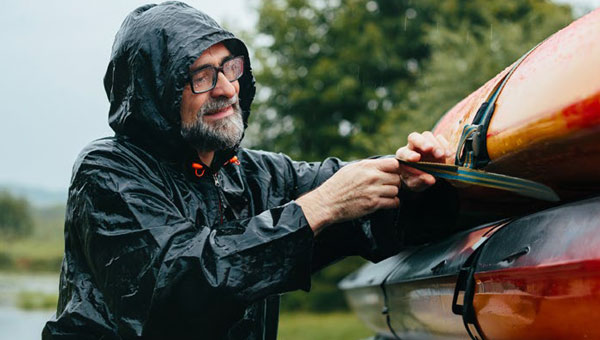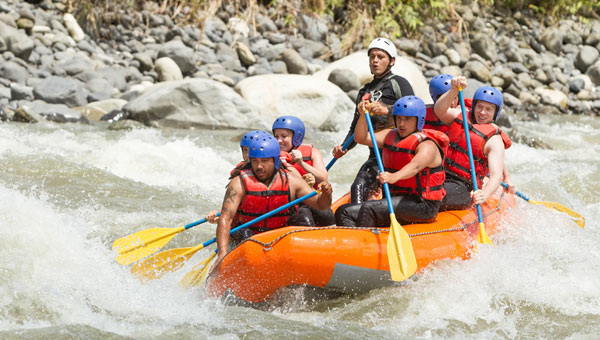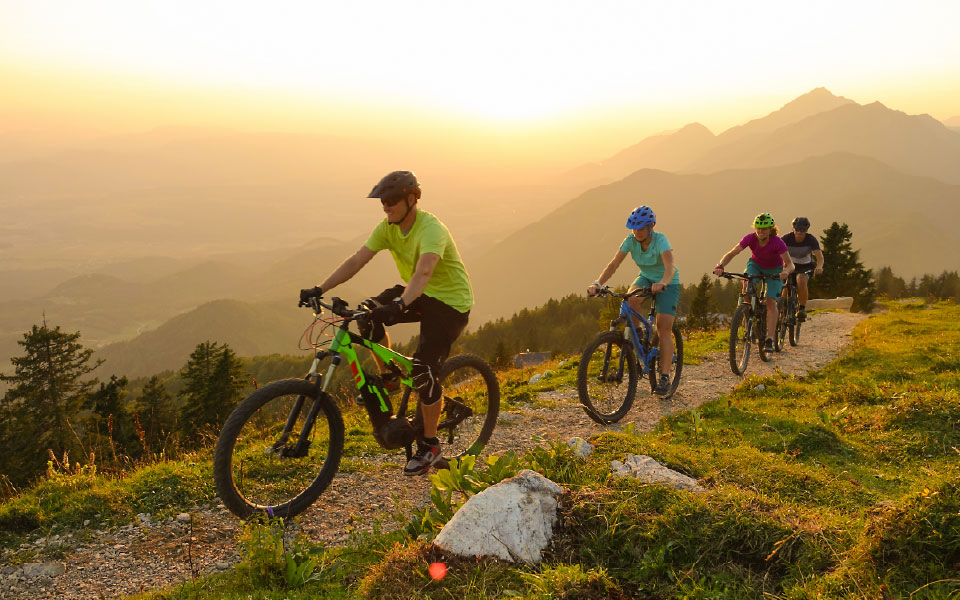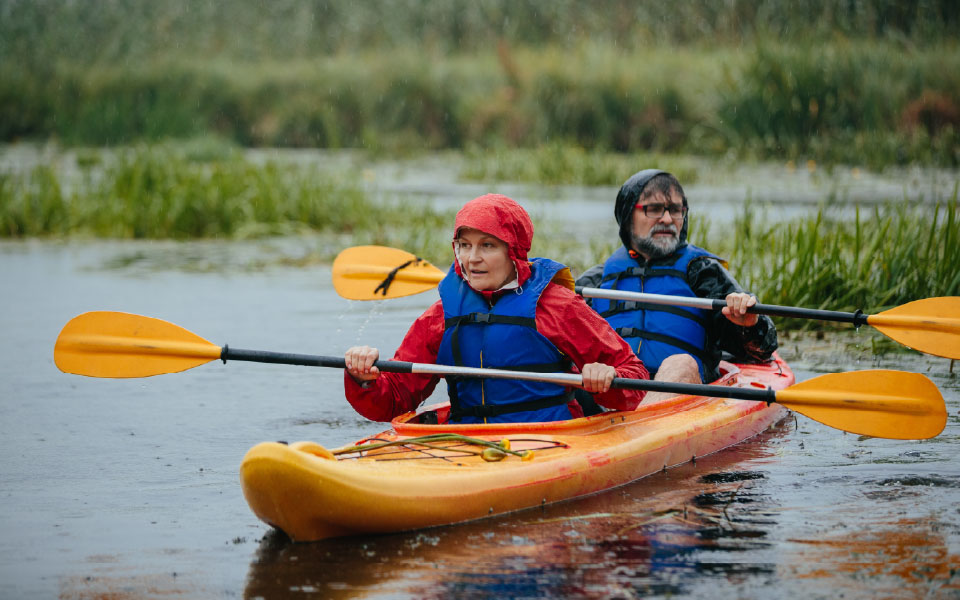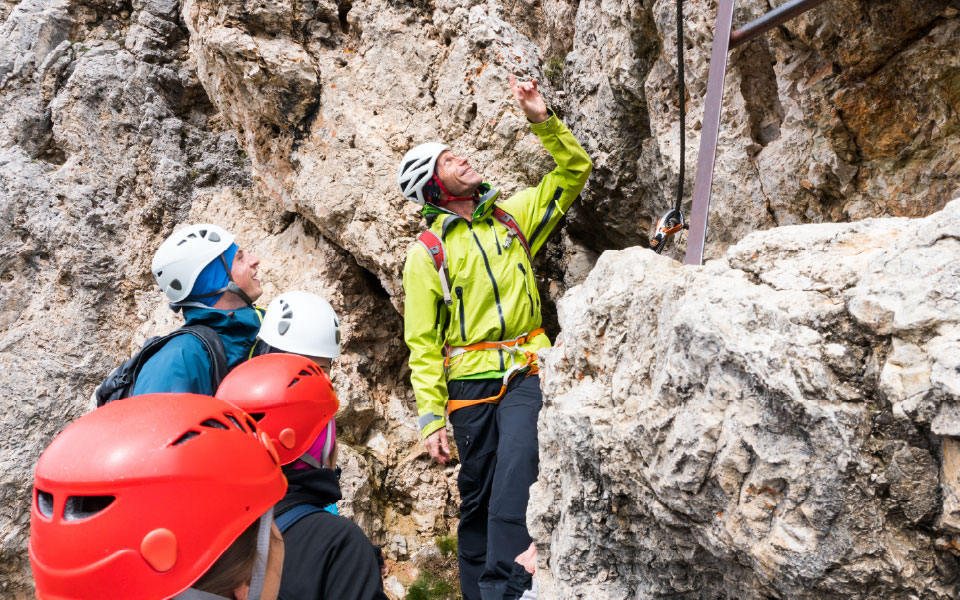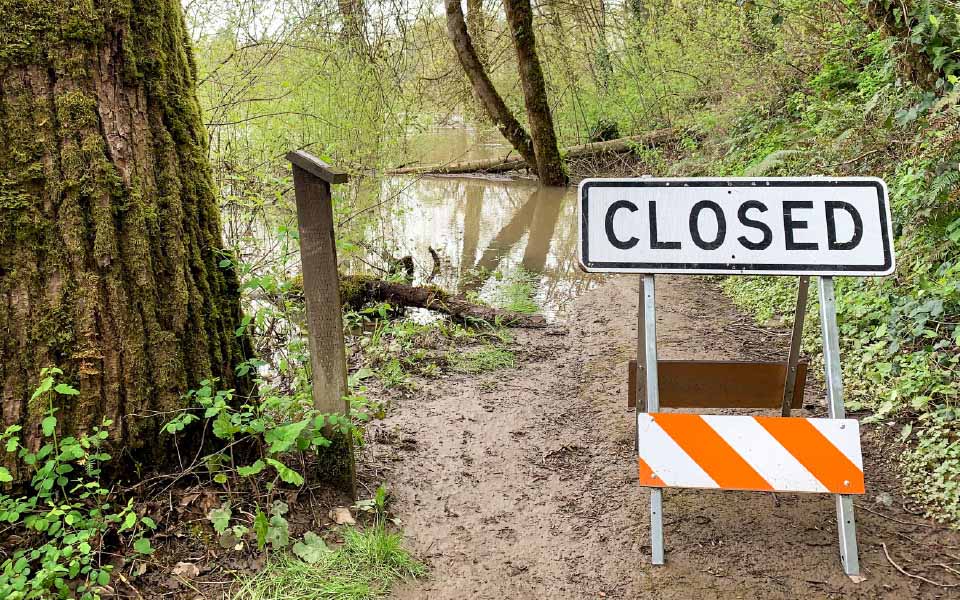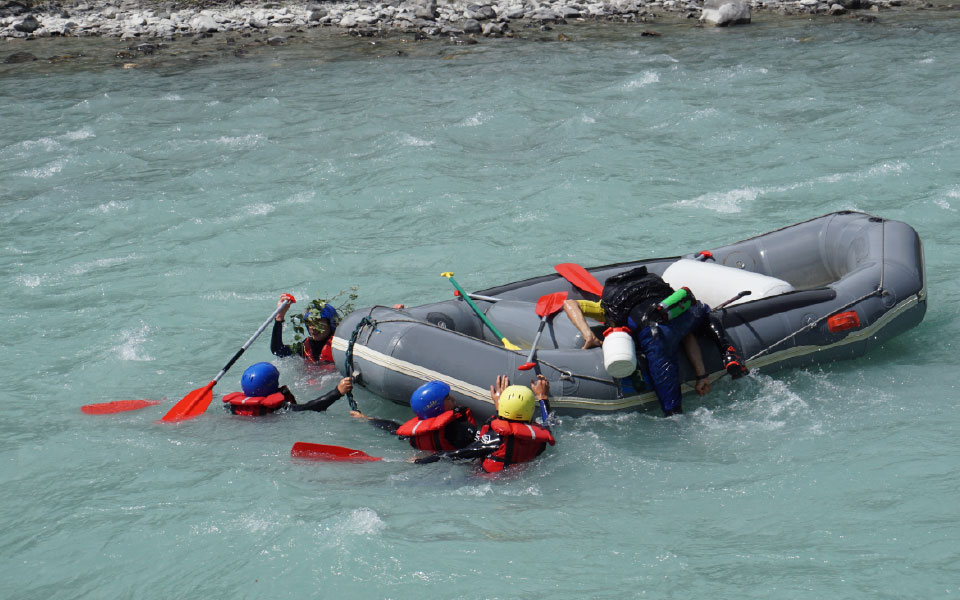
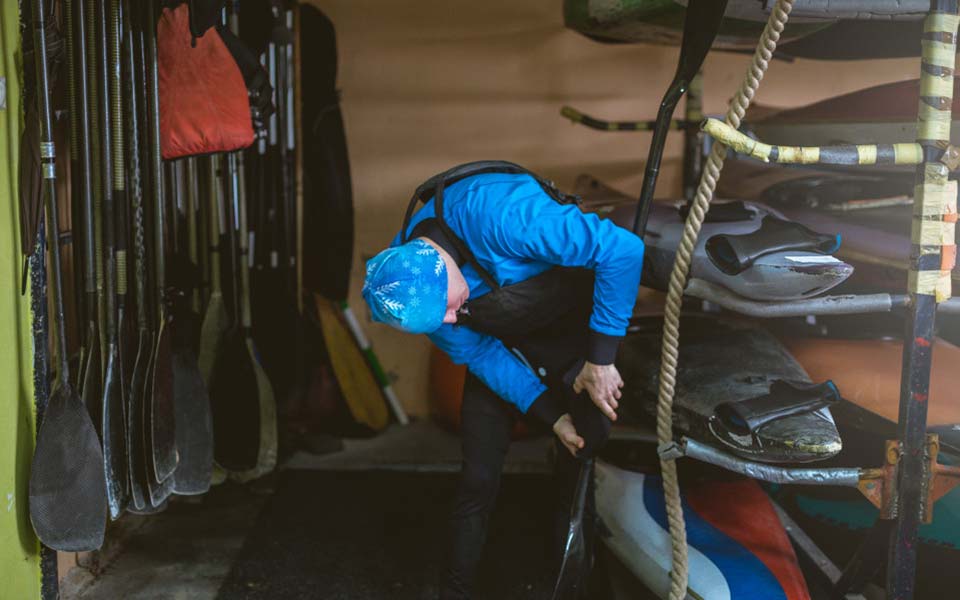
The last group heads home. Seasonal staff clock out. Vehicles, boats, and gear settle into storage. The operation may be quieter, but the off-season has its own way of catching guides, outfitters, and operators off guard.
Reduced Staffing Could put Your Operation at Risk
Scaling back staffing may make sense during the off-season, but fewer people can mean fewer chances to catch trouble. The guide who usually notices a damaged lock may be gone for the season. The employee who checks the equipment shed may only visit once a week. One remaining team member may be juggling reservations, maintenance, vendor access, and emergency calls.
Do not let an essential task disappear with the seasonal schedule. Before staffing levels drop:
- Assign an owner and backup for property inspections
- Set a schedule for checking vehicles, gear, and utilities
- Confirm who responds to alarms and after-hours calls
- Document vendor access and completed work
- Update emergency contacts and decision authority
Clear ownership helps your team keep critical tasks moving, even when fewer people are on-site.
Less Oversight Could put Operations at Risk
During the off-season, routine checks and operational reviews may happen less often. Maintenance records can fall behind, stored equipment may not receive scheduled attention, and issues identified at the end of the season may remain unresolved. Without clear oversight, guides and staff could return to vehicles, gear, facilities, or routes that are not ready for use.
Set an off-season schedule for reviewing maintenance, inspections, repairs, and reopening needs. Track unresolved issues, assign responsibility, and confirm that someone follows each item through completion. Consistent oversight can help your operation avoid last-minute surprises when bookings pick up again.
Off-Season Property and Equipment Risks Still Exist
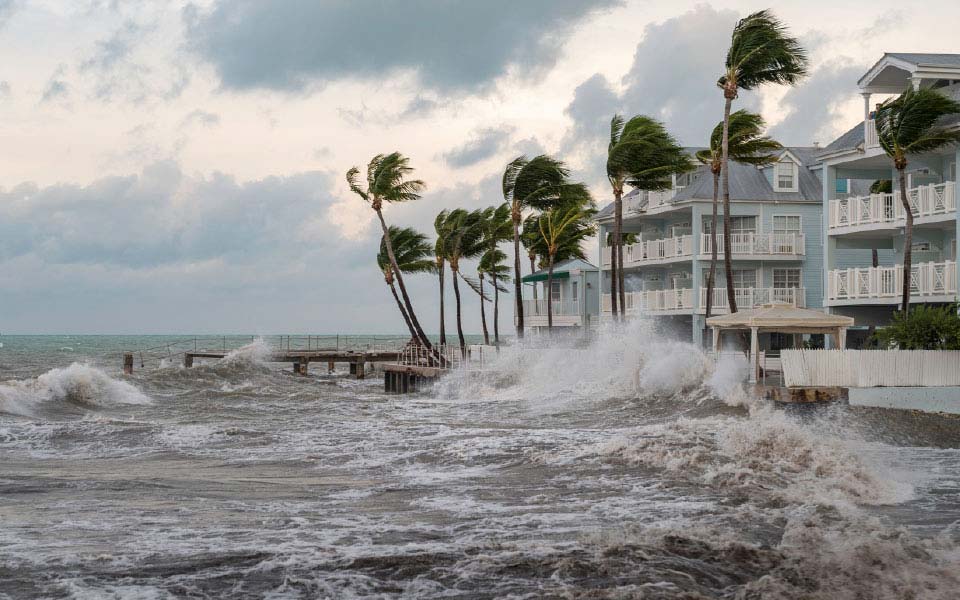
A vacant lodge can still face frozen pipes, fire, pests, or storm damage. Rafts, ropes, safety gear, trailers, and shuttles can develop wear, corrosion, battery loss, or other issues while stored. Without regular attention, those problems may remain hidden until preparations for the next season begin.
Keep property and equipment protected throughout the off-season:
- Follow storage and shutdown guidance for vehicles and equipment
- Inspect buildings for water, roof, and weather damage
- Maintain safe temperatures and clear combustible materials
- Secure keys, fuel, tools, and high-value gear
- Record inspections, maintenance, and repairs
Review insurance requirements before the off-season begins. Vacancy provisions, protective safeguards, equipment conditions, and notice requirements may affect how coverage responds. Do not wait for a loss to reveal that a building, vehicle, or piece of gear was not maintained as the policy required.
Do not let the off-Season put Your Operation at Risk
Connect with CBIZ to uncover the risks that could catch your adventure operation off guard and build a plan that keeps your property, equipment, and team ready for the next season.
Frequently asked Questions
In many cases, yes. Property damage, equipment loss, liability claims, and other exposures can still arise when trips have stopped. Canceling coverage may also create gaps or make it harder to secure comparable terms later. An insurance advisor can review which policies should remain active and whether coverage or limits can change during the off-season.
Definitions vary by policy. Insurers may consider whether the building is occupied, furnished, monitored, connected to utilities, or still used for normal operations. Some policies also apply vacancy provisions after a specified period. Review the policy terms and notify the insurer when occupancy or use changes.
It depends on the policy, the type of gear, and where it is stored. Property coverage may limit protection for equipment in transit, at a temporary location, or away from the primary premises. Inland marine coverage may address certain mobile or high-value equipment. Confirm covered locations, limits, deductibles, and exclusions before placing gear into off-site storage.
This blog may contain scenarios that are provided as examples only. Coverage is subject to the terms, conditions and exclusions of the policy issued. The information provided is general in nature and may be affected by changes in law or the interpretation of such laws. The reader is advised to contact a professional prior to taking any action based upon this information.