Most adventure sports operators don’t plan for the incident that leads to a claim. However, many have seen something like it before, from a swim on a familiar drop or an unexpected gear failure to a guide who was “shaken but finished the run.”
These near-miss moments don’t always make it into reports, but they should. In many cases, they’re clear warning signs of what could come next.
What Is a Near Miss in Adventure Sports?
A near miss is any unplanned event that could have resulted in injury, loss, or a claim — but didn’t. In adventure sports, that might include:
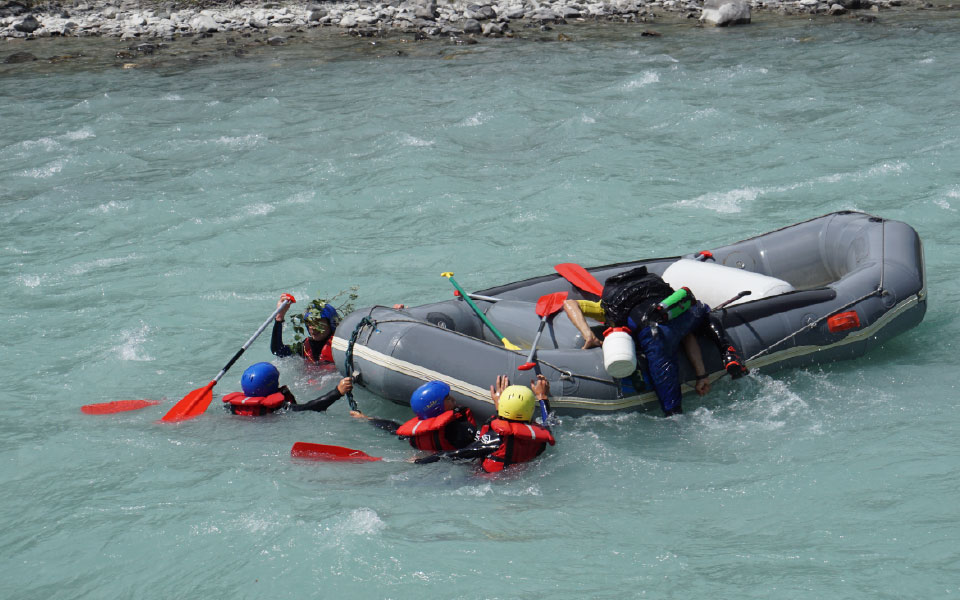
- A guest falling out of a raft in a controlled section
- Equipment malfunction that doesn’t result in injury
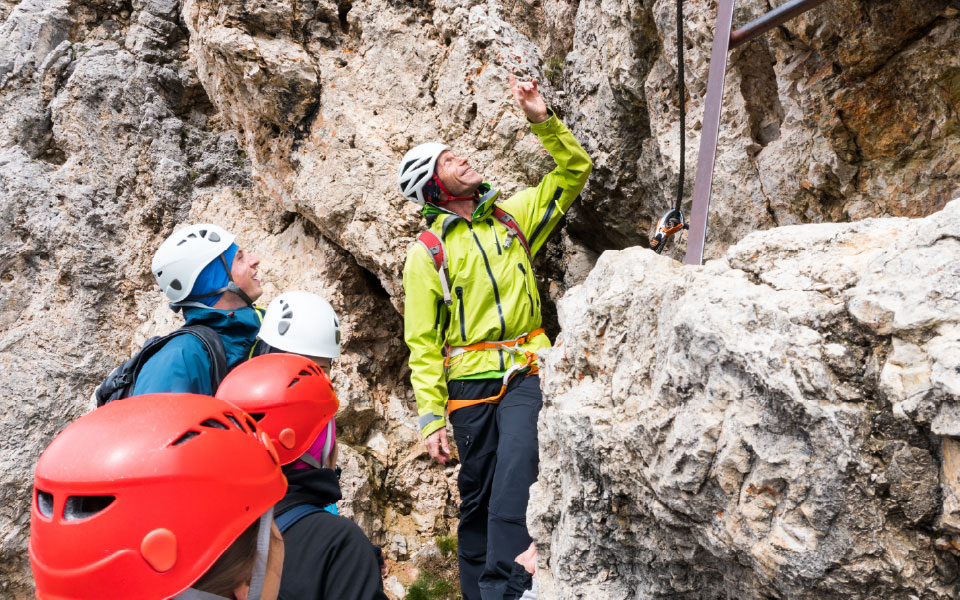
- A guide losing control briefly but recovering
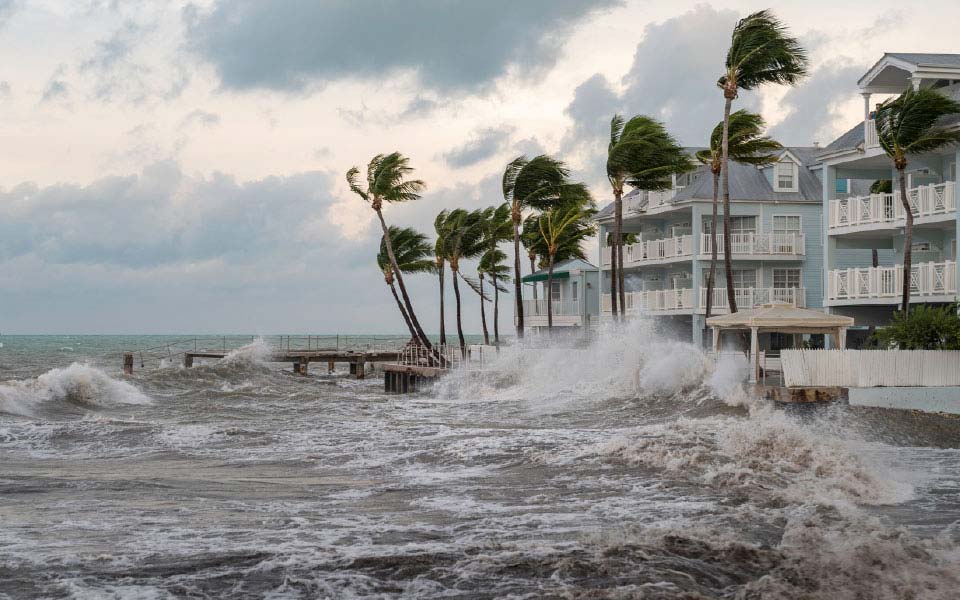
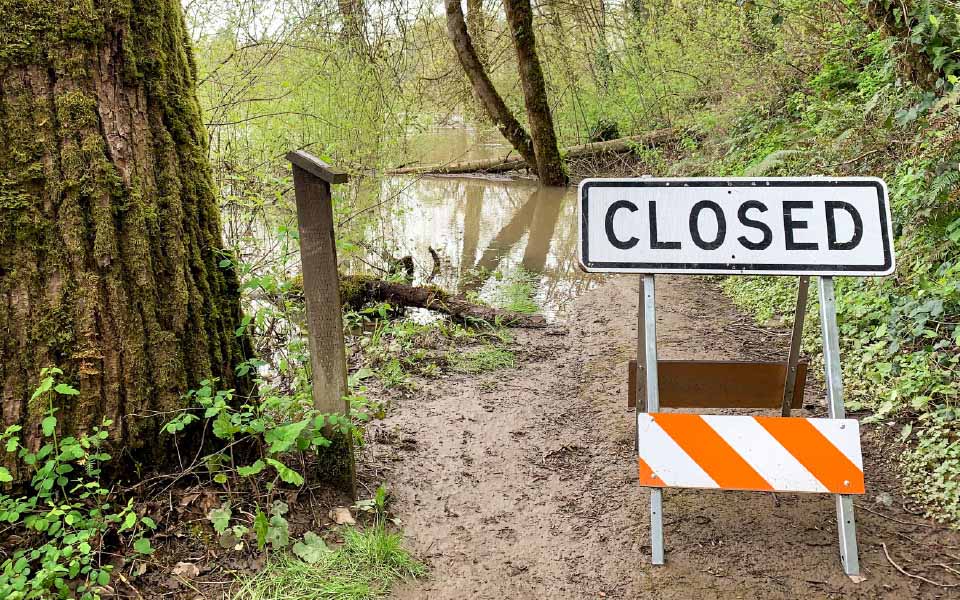
- Environmental conditions changing faster than expected
Because no claim is filed, these incidents are often brushed off as part of the job. But from a risk standpoint, they’re some of the most valuable data an operator can have.
Why Close Calls Matter and Should be Reported
Many operators assume that if no one was hurt, there’s nothing to worry about. That’s not necessarily true. Near misses can:
- Reveal patterns that aren’t visible in claims data alone
- Highlight operational weaknesses before they escalate
- Signal increased exposure in specific locations, conditions, or trip types
- Act as leading indicators of future incidents
Even if they don’t result in injury or damage, near misses should be documented and reviewed internally. Operators who consistently track close calls are better positioned to improve guide training and decision-making, align safety protocols with real-world conditions, identify recurring equipment issues, and strengthen overall risk management.
Without documentation, these insights are lost, and the same scenarios are more likely to be repeated. It’s to better understand where risk is increasing and take steps to manage it before it results in a claim.
The Connection Between Near Misses and Insurance Claims
Every claim has a backstory and, more often than not, it includes moments where:
- Conditions were underestimated
- Equipment showed early signs of failure
- Procedures weren’t followed consistently
- A similar incident had already occurred — but wasn’t escalated
Near misses are often the first sign of a future claim, and operators who analyze them are building a stronger, more defensible operation.
Turn Close Calls Into Risk Intelligence With CBIZ
Thriving operators take the time to understand how and why incidents develop, then tailor their risk management strategy accordingly. CBIZ Adventure Sports works with operators to identify patterns across claims and close calls, strengthen reporting and internal processes, and align coverage strategies with operational exposure.
Connect with our team of risk advisors to explore preventative strategies, designed to help you adventure more and worry less.
FAQs About Close Calls & Claims
A near miss is any incident that could have caused injury, damage, or a claim but didn’t. This includes equipment failures, guide errors that are quickly corrected, or unexpected environmental challenges that don’t result in harm.
Tracking near misses helps identify patterns, prevent future incidents, and strengthen overall risk management. These events often signal underlying issues that could eventually lead to claims if left unaddressed.
Near misses can highlight areas of increased exposure. Operators who track and address them can reduce claim frequency, improve insurability, and demonstrate a proactive approach to risk — potentially leading to better coverage outcomes.
This blog may contain scenarios that are provided as examples only. Coverage is subject to the terms, conditions and exclusions of the policy issued. The information provided is general in nature and may be affected by changes in law or the interpretation of such laws. The reader is advised to contact a professional prior to taking any action based upon this information.