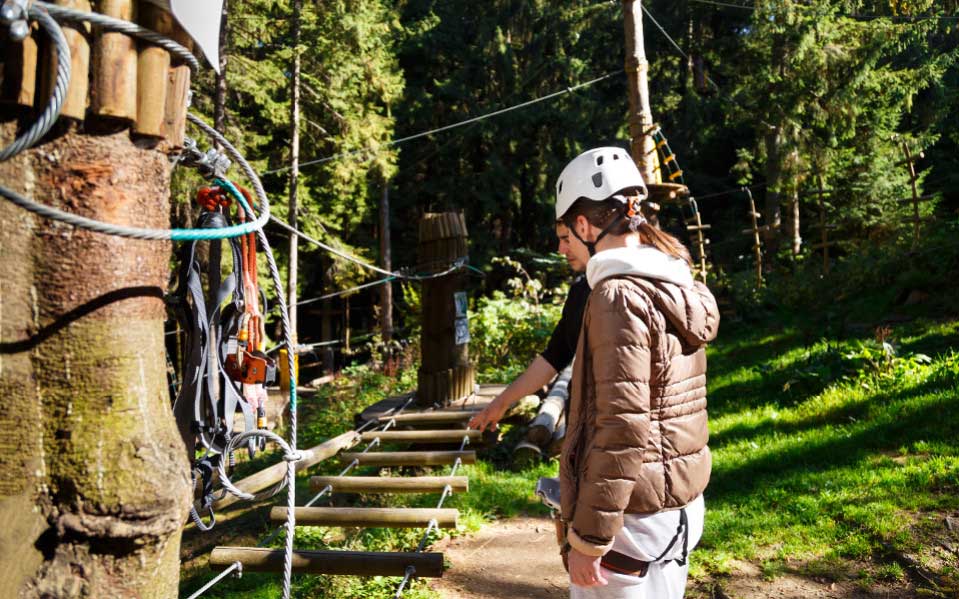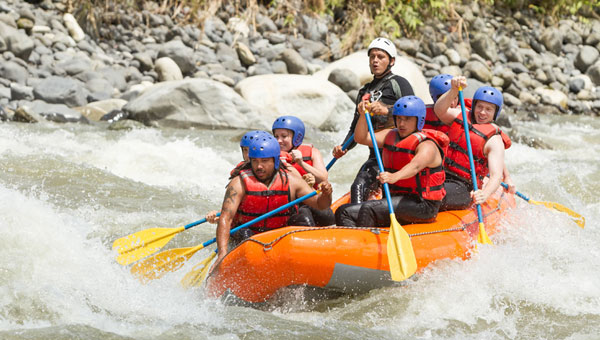

New adventure sport attractions bring energy. They create buzz, draw new guests, and open the door to additional revenue. Whether it’s adding ATVs to a rafting operation or launching an aerial course at a zip line park, expansion can look like an easy win, at least on paper.
But growth decisions shouldn’t live only in a spreadsheet.
Too often, new offerings are evaluated almost entirely through a revenue or profit and loss (P&L) lens. Projected ticket sales, capital costs, and payback periods dominate the conversation.
What can get lost is an equally important set of questions: Are we operationally ready? Do we understand the risks? And can we deliver this experience safely, consistently, and responsibly?
When those questions are an afterthought, growth can introduce problems that far outweigh the upside.
Beyond P&L: What the Numbers Don’t Tell You
Revenue projections are easy to model. Risk exposure is not.
Adding a new attraction to your adventure sport business changes far more than your income statement. It can reshape your liability profile, staffing model, training requirements, maintenance workload, and safety infrastructure. A ropes course or ATV program isn’t just “another activity.” It brings different injury patterns, equipment risks, guest behavior challenges, and operational demands.
Before greenlighting a new offering, operators should pressure-test more than revenue assumptions. Key questions include:
- What new hazards does this activity introduce?
- How does it change supervision ratios and staffing needs?
- What training and certifications are required?
- What does ongoing inspection and maintenance look like?
- How will emergencies be handled, and by whom?
If those answers aren’t clear, the business isn’t ready yet, no matter how attractive the projected margins look.
When Experience Doesn’t Transfer
Many adventure sport business operators do one thing well. That’s often how they’ve built strong brands and loyal followings.
The challenge comes when success in one segment creates a false sense of readiness for another. Running whitewater trips does not automatically prepare a team to manage ATVs. Zip line operations don’t seamlessly translate to ropes courses or aerial adventures. Each activity carries its own technical disciplines, safety standards, and failure modes.
Assuming that existing know-how transfers cleanly is a common and costly mistake.
Recognizing gaps early is a strength, not a weakness. It allows operators to seek proper training, outside support, and operational structure before guests are involved. The goal isn’t to slow growth. It’s to make sure growth doesn’t outpace capability.
Operational Readiness is the Real Launch Date
A ribbon-cutting or marketing announcement doesn’t mark the true launch of a new attraction. Operational readiness does.
New activities demand more than enthusiasm and equipment. They require intentional preparation across multiple areas:
- Staff training and certification: Teams need activity-specific instruction, not informal cross-training.
- Updated SOPs: Standard operating procedures must reflect the realities of the new offering, not just mirror existing ones.
- Emergency response planning: Rescue scenarios, medical response, and escalation protocols should be tested, not theoretical.
- Inspection and maintenance standards: Equipment introduces ongoing obligations, not one-time purchases.
- Guest briefings and supervision: Clear communication and consistent oversight are essential to preventing incidents.
Skipping or compressing this work to meet a seasonal deadline is a gamble that rarely pays off.
Guest Safety is Not a Feature. It’s the Foundation.
Guests come for excitement, but they expect safety. New offerings bring unfamiliar risks that must be identified and mitigated before launch to prevent incidents, claims, or reputational damage. Asking the right questions early, such as what can go wrong, how likely it is, and what safeguards are in place, ensures growth is safe and sustainable. Compromising safety is not growth; it’s deferred damage.
Bring Insurance Into the Conversation Early
Insurance should never be a last-minute checkbox.
Adding a new activity can alter an operation’s risk profile overnight. It may trigger underwriting reviews, require policy endorsements, or change pricing, deductibles, or exclusions. In some cases, coverage gaps don’t become apparent until after an incident, when it’s too late.
Involving insurance partners early allows time to:
- Confirm the activity is insurable as planned
- Adjust coverage appropriately
- Align safety practices with underwriting expectations
- Avoid surprises that derail a launch
If an insurer has concerns, that feedback is valuable. It often highlights operational or safety issues that deserve attention before guests arrive.
Paperwork Matters More Than Most Operators Think
Waivers, disclosures, and signage are not administrative afterthoughts. They are frontline risk tools.
New activities require updates that include:
- Liability waivers and participation agreements
- Rental or usage contracts
- Safety signage and warnings
- Guest disclosures and instructions
Generic or outdated documents create confusion and weaken defenses when incidents occur. Clear, activity-specific language helps set expectations and reinforces safe behavior.
If the paperwork doesn’t reflect the reality of the experience, it’s time for a revision — before launch, not after.
Test Before You Scale
Not every new attraction needs a full-scale debut on day one.
Pilot programs, soft openings, and limited-capacity trials provide critical insight. They expose operational bottlenecks, training gaps, and safety issues in a controlled environment. They also give staff time to build confidence before volume increases.
A phased approach doesn’t signal hesitation. It signals discipline.
Does it Fit, or Does it Just Pay?
Finally, step back and ask a strategic question: Does this offering belong here?
Does it align with your brand, guest expectations, and long-term vision? Or is it chasing short-term revenue at the expense of focus?
The most resilient operators grow intentionally. They choose additions that strengthen their identity rather than dilute it.
Growth is important. CBIZ helps adventure sport businesses pursue smart growth that protects guests, employees, and the organization, enabling operations to thrive in the long haul.
This blog may contain scenarios that are provided as examples only. Coverage is subject to the terms, conditions and exclusions of the policy issued. The information provided is general in nature and may be affected by changes in law or the interpretation of such laws. The reader is advised to contact a professional prior to taking any action based upon this information.