The start of a new season brings opportunity and risk. Before your first trip launches or your first client checks in, take a moment to evaluate your operation from the inside out.
A structured preseason risk review helps you spot gaps before they turn into incidents. It protects clients, supports guides, and safeguards the reputation you’ve worked hard to build. It also lets your team respond quickly and confidently when the unexpected happens.
Outfitting operations face unique exposures, including equipment failure and guide error, as well as severe weather and communication breakdowns. Addressing small issues now prevents costly claims, injuries or operational disruptions.
Start the season prepared, aligned, and ready to operate with confidence.
No Surprises in the Field: Inspect Every Piece of Gear
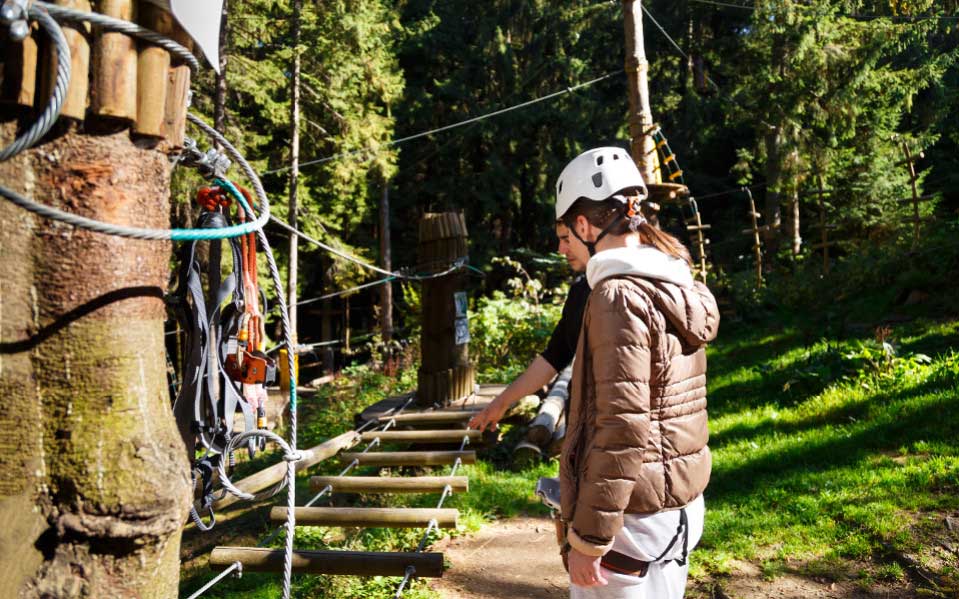
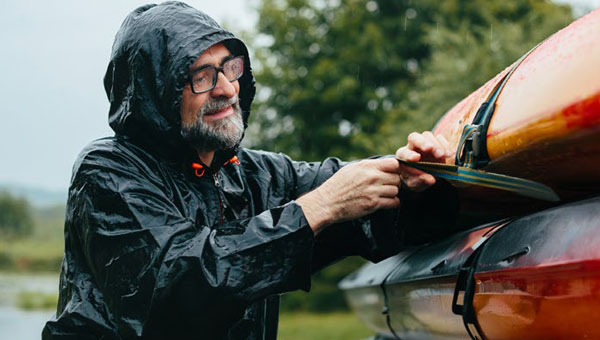
Your equipment directly affects client safety and trip performance. Conduct a structured inspection of every piece of gear before the season begins, including:
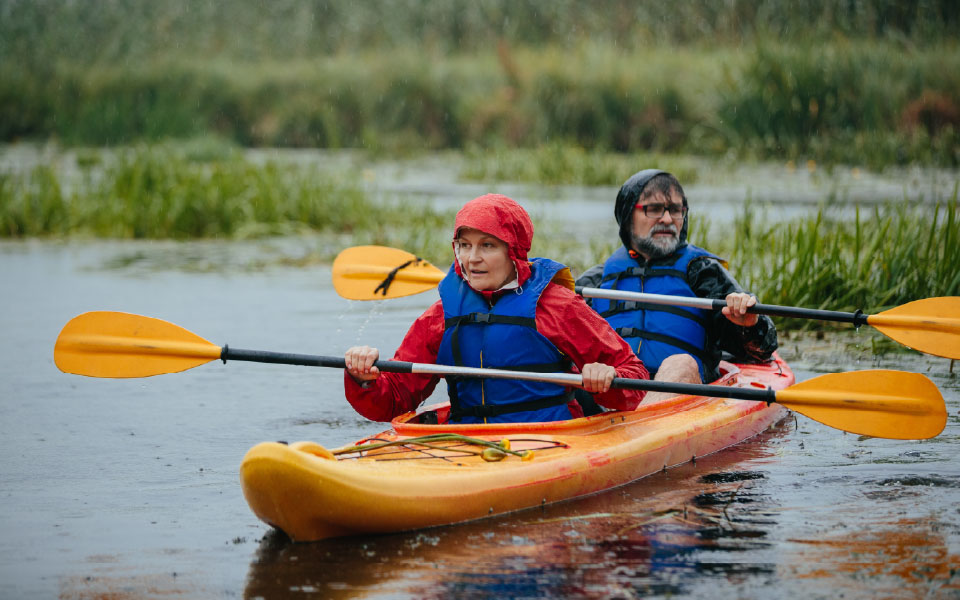
- Inventory boats, rafts, climbing hardware, ropes, helmets, life jackets, vehicles, and trailers.
- Check for wear, cracks, corrosion, frayed straps or other compromised components. Remove any damaged or questionable gear immediately.
- Review the manufacturer’s maintenance guidelines and confirm that required inspections are up to date.
- Document your findings. Logs ensure consistency among staff and provide records in the event of an incident.
Test communication devices and emergency equipment. Replace batteries, confirm functionality, and restock first-aid supplies.
Taking equipment inspections seriously reduces preventable risk and ensures your operation starts the season with confidence.
Guide Training Refreshers: Keep Skills Sharp Before the Season
Guides are the backbone of your operation, and their preparedness directly affects safety and client experience. A preseason training refresher ensures your team can handle the season’s challenges.
Stay up-to-date with these items:
- Review first aid, CPR, and emergency response procedures.
- Refresh operation-specific skills, including navigation, rigging, or paddling techniques.
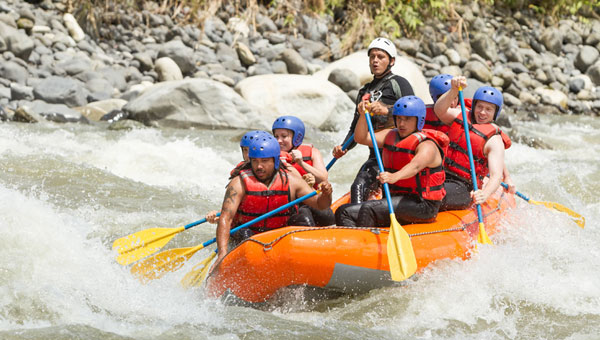
- Conduct scenario drills for emergencies, such as swift-water rescues, lost clients, or sudden weather changes.
- Confirm certifications are current and documented.
Even short, focused sessions can have a significant impact on team readiness and client trust.
Sign, Seal, Safety: Update Your Waivers and Documents
Clear, up-to-date waivers and documentation help manage risk and set expectations with clients.
Make sure you:
- Confirm that waivers cover all seasonal activities and any new services.
- Update language for clarity and legal compliance.
- Ensure all forms are easily accessible to clients and staff.
- Keep signed copies organized and stored securely.
Regularly reviewing waivers protects your business and reinforces transparency with clients.
Expect the Unexpected With an Emergency Action Plan
A practiced emergency action plan keeps your team ready and clients safe when unplanned situations arise.
Steps to stay prepared:
- Define roles and responsibilities for each team member during an emergency.
- Map evacuation routes, meeting points, and access to medical care.
- Establish procedures for different scenarios, such as sudden weather changes, client injuries, or lost participants.
- Practice your plan with drills before the season begins.
A well-rehearsed emergency plan reduces response time, keeps the team calm under pressure, and shows clients that safety is a top priority.
Clear Lines: Communication Protocols That Keep Your Team in Sync
Effective communication keeps guides coordinated, trips running smoothly, and clients informed. Pre-season is the perfect time to establish and test communication protocols, so everyone knows how to share updates, relay information, and respond quickly when needed.
Communicate without gaps:
- Set standard check-in schedules for guides in the field.
- Confirm radios, satellite messengers, or other devices are working and fully charged.
- Make sure all staff know reporting procedures and emergency signals.
- Document protocols so new or seasonal guides can follow them without confusion.
Strong communication protocols reduce missteps, speed response times, and ensure your operation runs efficiently from start to finish.
Leave Nothing to Chance This Season: CBIZ Has You Covered
CBIZ Adventure Sports can help you identify gaps, streamline processes, and ensure your operation is ready for anything the season brings.
This blog may contain scenarios that are provided as examples only. Coverage is subject to the terms, conditions and exclusions of the policy issued. The information provided is general in nature and may be affected by changes in law or the interpretation of such laws. The reader is advised to contact a professional prior to taking any action based upon this information.