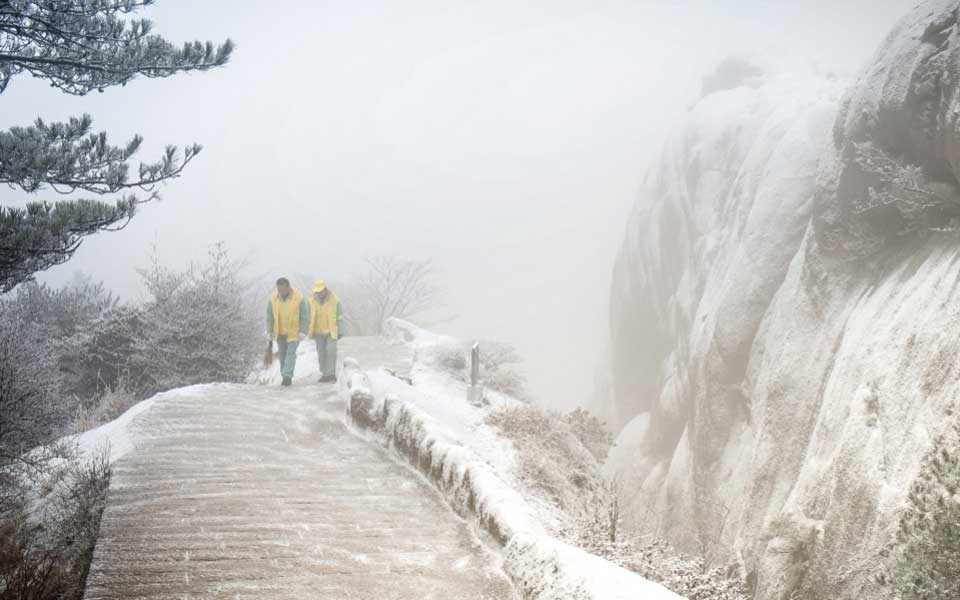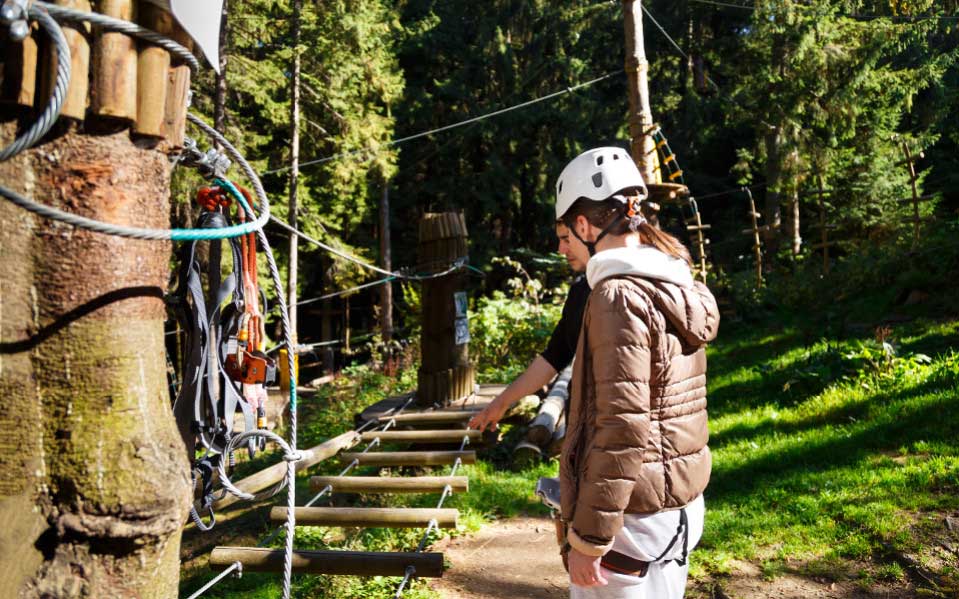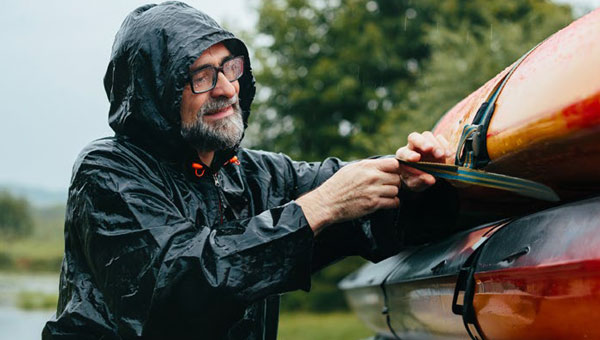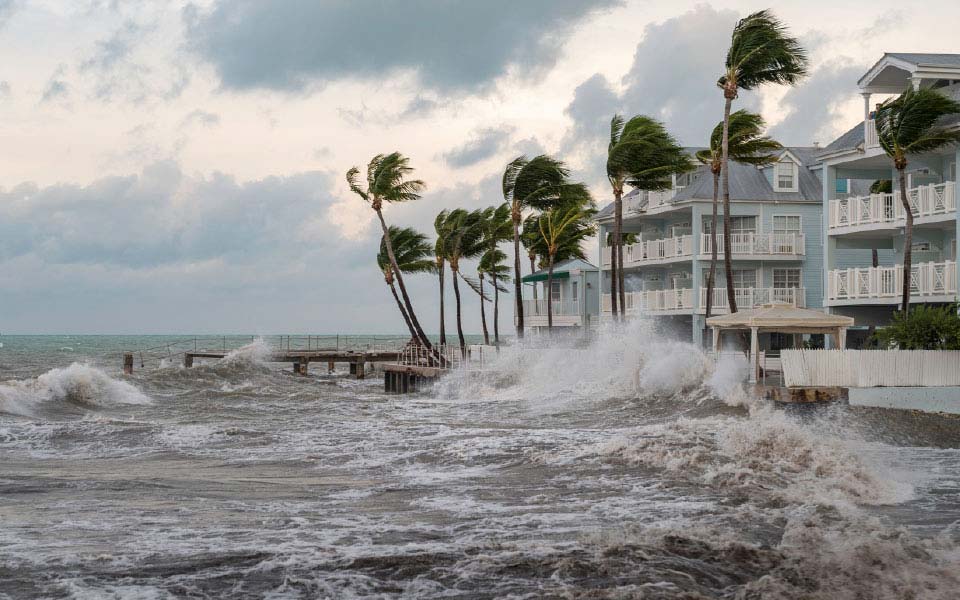
Fresh powder can bring guests running. It can also leave a shuttle dead at the trailhead, freeze critical gear, and derail the day before the first group heads out. For guides, outfitters, and operators, winter weather is not just part of the adventure. It is a fast-moving threat that can put the entire operation on ice.
Do Not Let the Cold Sideline Your Fleet
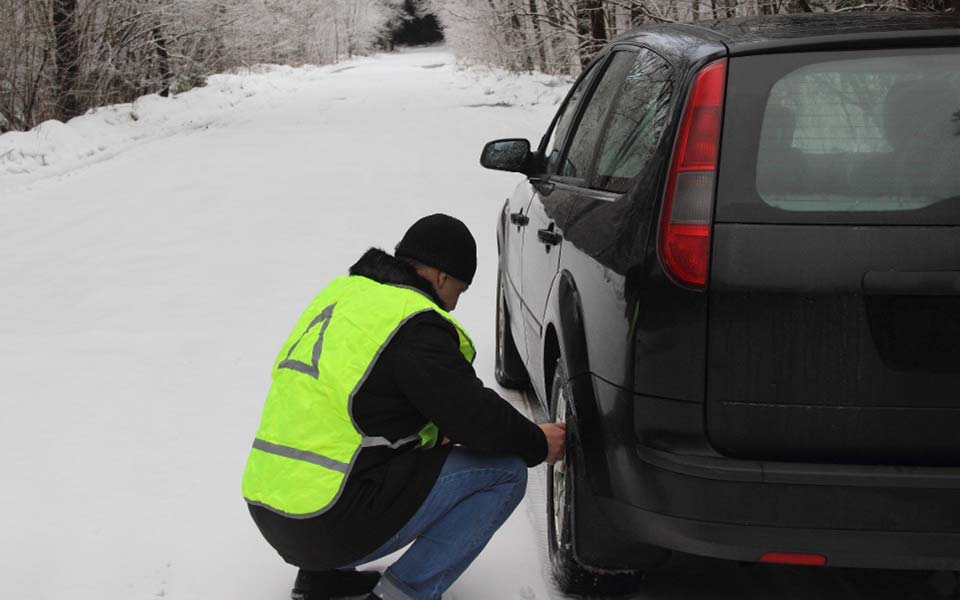
The forecast looks promising, the group is ready, and departure time is closing in. Then the engine will not turn over. Cold temperatures drain batteries, thicken fluids, lower tire pressure, and stiffen rubber components. Ice-covered windshields, frozen wipers, and weak defrosters can create another problem before the vehicle leaves the lot. A minor maintenance issue can become a canceled trip when winter weather hits.
Do not wait for a storm warning to find the weak link in your fleet:
- Test batteries
- Inspect tires
- Check cold-weather fluids
- Confirm that lights, heaters, wipers, and defrosters work properly
- Stock each vehicle with emergency supplies suited to the route and terrain
Set firm rules for when a vehicle stays parked. No itinerary is worth gambling on equipment that is not ready for the cold.
When Winter Roads Disrupt Transportation
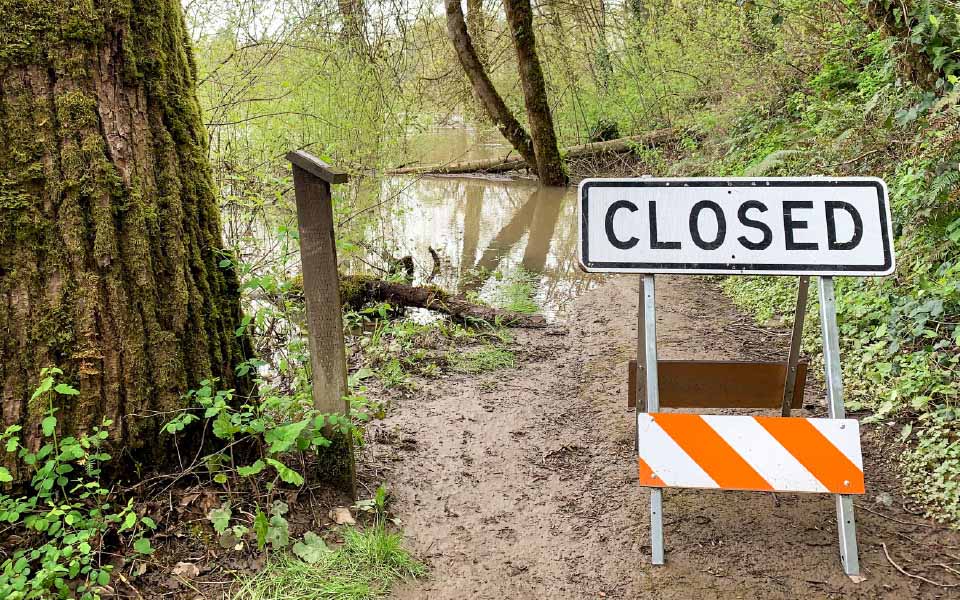
A full-blown blizzard is not the only threat. Blowing snow can erase visibility. Black ice can turn a familiar mountain road into a hazard. A single closure can strand a shuttle, delay a gear drop, or leave guests waiting while daylight disappears.
Build flexibility into the route before the weather forces the decision. Identify alternate access points, turnaround locations, and safe places to wait out worsening conditions. Decide who watches the forecast, who has the authority to reroute or cancel, and how guides, drivers, and guests will get the message. If a team is already in motion, a clear check-in and escalation process can keep a delay from becoming an emergency.
Cold Can Push Critical Gear Past Its Limit
The vehicle starts, but that does not mean the operation is in the clear. Freezing temperatures can drain device batteries, stiffen straps and seals, freeze moving parts, and make safety equipment harder to access or use. Gear that performed without issue yesterday may fail when guides and guests need it most.
Build cold-weather equipment checks into every trip:
- Test radios, GPS devices, and emergency beacons
- Inspect buckles, bindings, straps, ropes, and seals
- Check first-aid and rescue equipment
- Dry and store gear properly between trips
- Remove any damaged or unreliable equipment from service
Document inspections, maintenance, and repairs. A clear record helps your team catch recurring problems before a gear failure disrupts a trip or puts someone at risk.
When Winter Forces You to Cancel the Trip
Canceling a trip can protect guests and guides, but the decision may still come at a cost. Refund requests, lost revenue, frustrated guests, and last-minute schedule changes can quickly follow. If an operator waits too long to act, the business may also face questions about why the trip continued despite worsening conditions.
Set clear thresholds for when to delay, reroute, reschedule, or cancel a trip. Make sure your cancellation policy explains how the business handles refunds, credits, and weather-related changes. Communicate the policy before guests arrive, and document the conditions and information behind each decision.
Waivers alone cannot replace sound judgment. Clear policies, timely communication, and consistent documentation can help demonstrate that your team took the threat seriously and acted with guest safety in mind.
Do Not Let Winter Call the Shots
Connect with CBIZ Adventure Sports Insurance to uncover the winter risks that could stop your operation cold and build a plan that keeps your people, vehicles, and equipment ready for the next adventure.
Frequently Asked Questions
Coverage may come from several policies, depending on how the loss occurs. Commercial auto may respond to covered vehicle damage, while property or inland marine coverage may apply to buildings, gear, and mobile equipment. Business interruption and extra expense coverage may help with lost income or added costs after a covered loss. Review policy limits, deductibles, exclusions, and coverage triggers with an insurance advisor before winter arrives.
Not automatically. Business interruption coverage typically depends on the policy terms and may require direct physical damage from a covered cause before benefits apply. Waiting periods, exclusions, and limits can also affect a claim. Some policies may offer additional options for closures, interrupted utilities, or restricted access. An insurance advisor can help determine how the policy may respond to weather-related cancellations.
A waiver may help show that a participant understood certain risks, but it does not replace sound decisions, clear policies, or consistent documentation. Waiver enforceability and legal requirements vary by jurisdiction and circumstance. Have qualified legal counsel review participant agreements, and make sure day-to-day practices match the warnings, cancellation terms, and decision authority stated in those documents.
This blog may contain scenarios that are provided as examples only. Coverage is subject to the terms, conditions and exclusions of the policy issued. The information provided is general in nature and may be affected by changes in law or the interpretation of such laws. The reader is advised to contact a professional prior to taking any action based upon this information.