
Summer is peak season for adventure tourism, but it can also be the most vulnerable time for your operation. More bookings, tighter schedules and more first-time participants can increase the chance of incidents and claims. Across hospitality and recreation industries, incident and claims activity often rises during peak summer traffic periods when operations are under greater pressure. When volume rises, even small gaps in staffing, training and daily execution can create bigger liability issues. For outfitters and guides, the busiest season can also be the riskiest.
Staffing Gaps Show Up Fast Under Pressure
Summer often pushes hiring and scheduling to the limit. Many adventure businesses rely on seasonal staff, smaller crews or employees who are still getting comfortable in their roles. When teams are stretched too thin, it becomes harder to maintain strong supervision, clear communication and consistent service.
Fatigue can build quickly on busy days, and rushed handoffs can make important details easier to miss. In this environment, staffing gaps are not just an operational challenge. They can also increase the risk of incidents, claims and preventable mistakes.
Inconsistent Training Raises the Odds of Mistakes
Summer hiring often moves fast, which can make training harder to standardize across your team. New guides, drivers and front-line staff may not all receive the same level of instruction before the busiest weeks begin. When training varies from one employee to the next, guest communication can become inconsistent and key procedures can be missed. That can create confusion in the moment and raise the chance of a preventable incident.
Consistent training helps protect guests, support staff and reduce liability during the busiest times.
High Volume Can Break Routine Operations
Peak season can put routine processes under pressure. Equipment may turn over faster, staging areas can get more crowded and teams may have less time between trips or activities. When that pace builds, even basic tasks like inspections, maintenance checks and incident documentation can start to slip. Communication can also break down during shift changes or fast handoffs. These small operational misses can create bigger safety issues and more liability exposure if they are not caught early.
First-Time Participants Add Another Layer of Risk
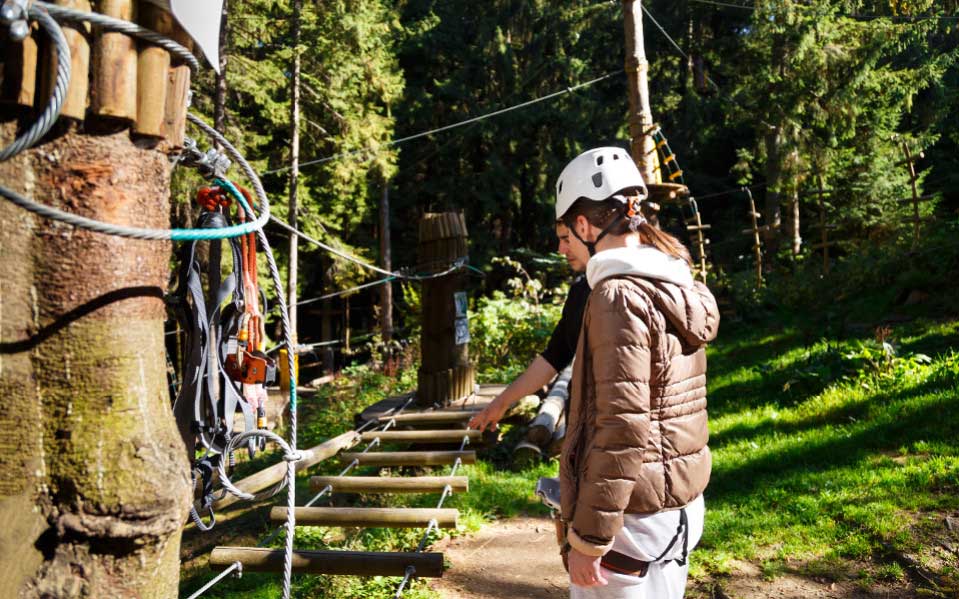
Summer often brings an influx of first-time participants who may be less familiar with the activity, the equipment or the physical demands involved. That can make clear instruction and close supervision even more important. Guests who are new to an experience may be more likely to misjudge conditions, miss safety steps or make decisions that increase the chance of incidents and liability claims.
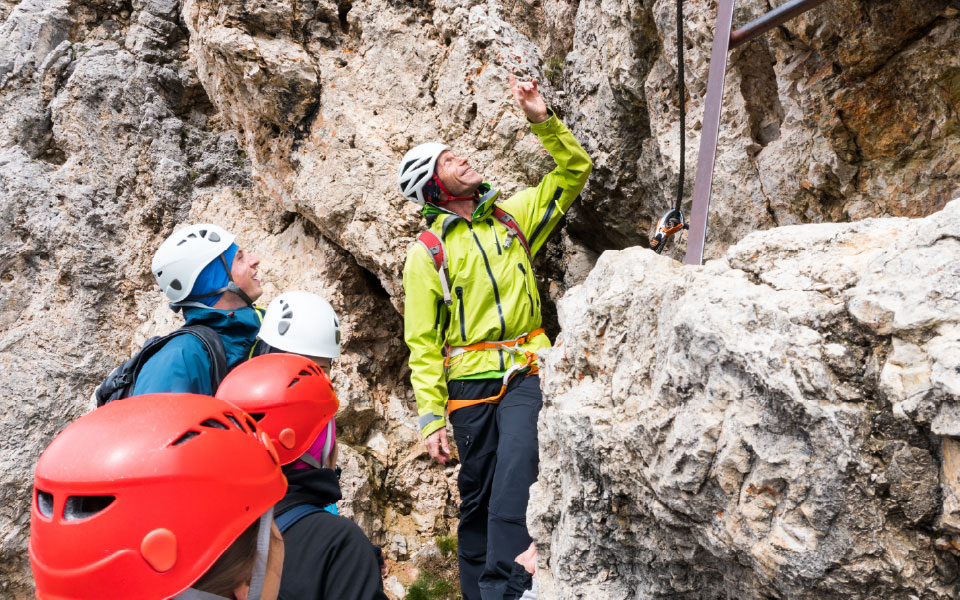
That is why guest briefings need to be simple, consistent and easy to follow. A strong safety message at the start can help reduce confusion and lower the chance of preventable incidents.
What to Review Before Summer Gets Busier
Before peak traffic hits, it helps to review a few core areas.
- Staffing plans: Make sure schedules, coverage and backup support are in place.
- Refresher training: Reinforce safety steps, guest communication and incident response.
- Equipment inspections: Check that gear inspections and maintenance routines are up to date.
- Incident documentation: Confirm your team knows how and when to document issues.
- Communication checkpoints: Tighten handoffs during shift changes, guest transitions and busy periods.
Get Ahead of Summer Risk
Peak season moves fast, and small operational gaps can turn into larger liability issues when volume increases. Connect with CBIZ advisors to help review risk exposures before summer activity reaches its peak.
Frequently Asked Questions
Training should not stop after onboarding. During peak season, short refreshers can help teams stay aligned as schedules get tighter and new hires settle in. Many operators benefit from quick check-ins on safety procedures, guest communication and incident response throughout the summer. Regular reinforcement can help reduce inconsistency and keep expectations clear when operations are moving fast.
Waivers can be an important part of a broader risk strategy, but they do not replace strong safety practices. A waiver may help document that a participant understood certain risks, but it will not fix gaps in training, supervision or daily operations. Operators should view waivers as one layer of protection, not a substitute for consistent procedures and clear communication.
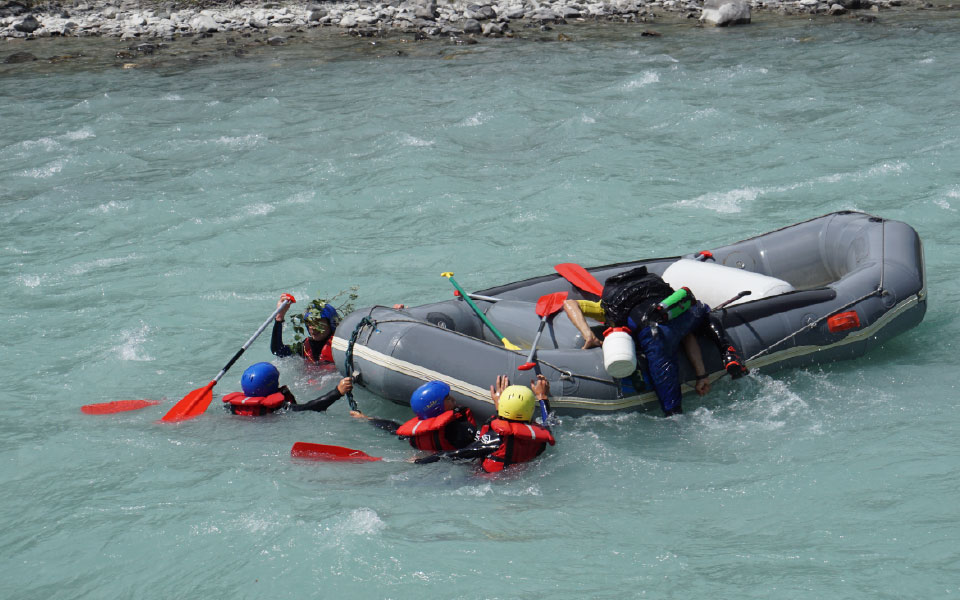
After an incident, operators should focus on immediate response, documentation and follow-up. That includes addressing the situation on site, recording what happened as clearly as possible and reviewing whether procedures were followed. Prompt, accurate documentation can support internal review and help identify whether changes are needed to reduce the chance of a similar issue later in the season.
This blog may contain scenarios that are provided as examples only. Coverage is subject to the terms, conditions and exclusions of the policy issued. The information provided is general in nature and may be affected by changes in law or the interpretation of such laws. The reader is advised to contact a professional prior to taking any action based upon this information.