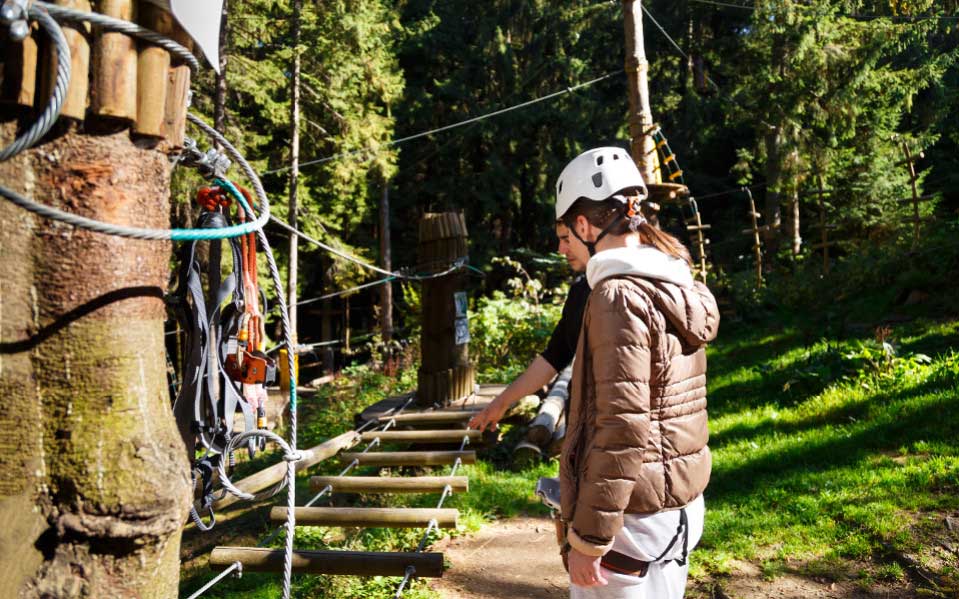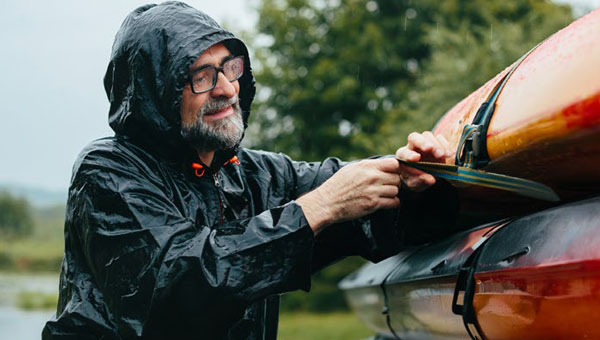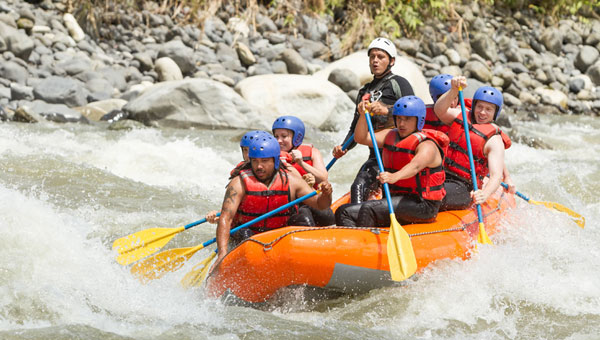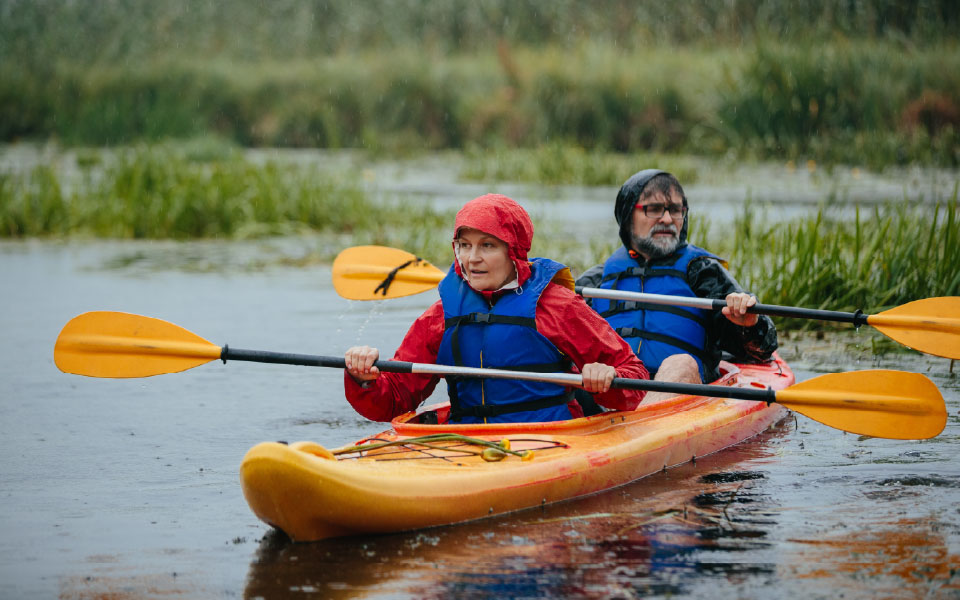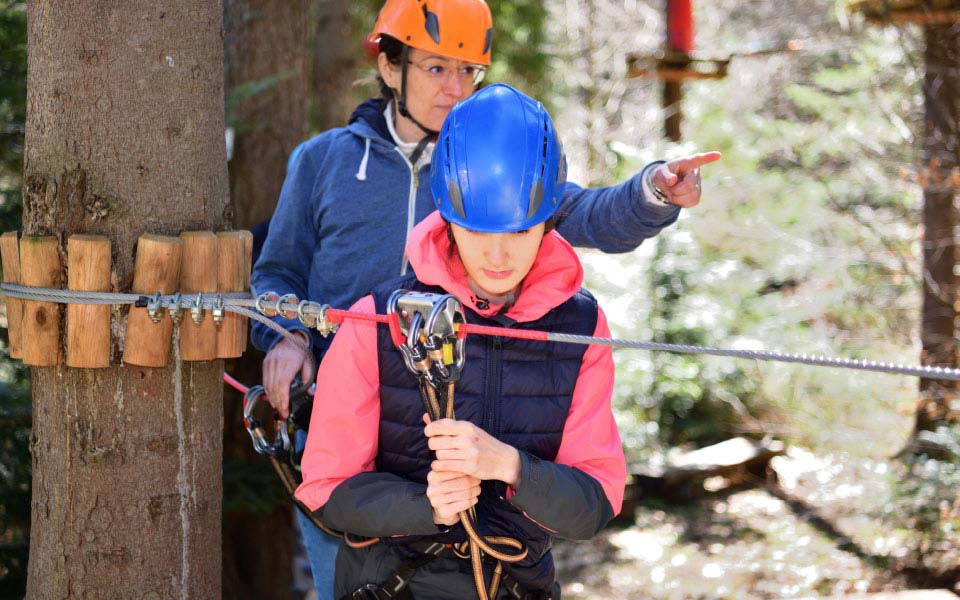
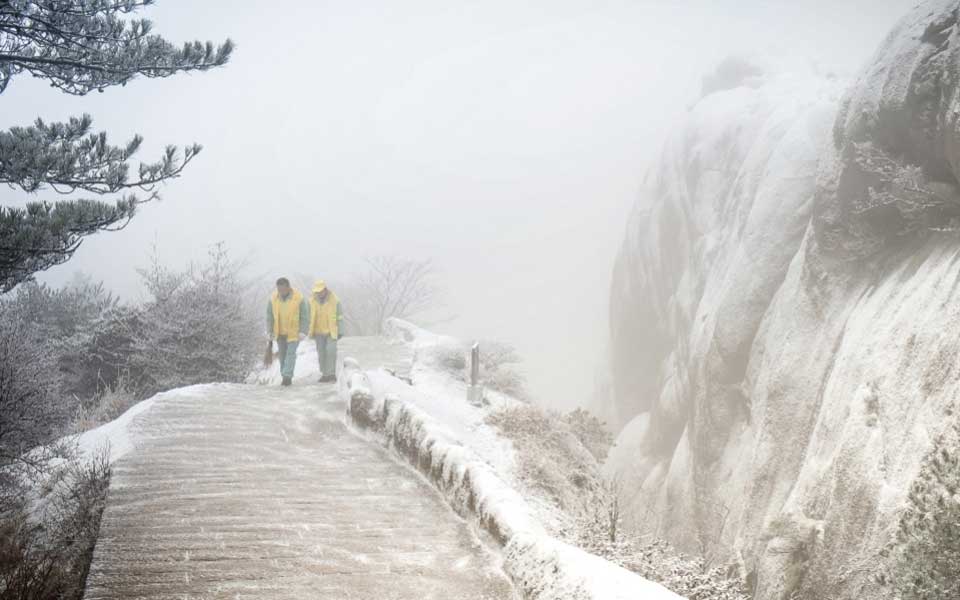
The first bite of cold air can feel like an invitation. Trails sharpen, crowds thin, and familiar terrain takes on a wilder edge. As the season shifts, outfitters and guides must reassess how changing terrain and weather affect the way they prepare, lead, and respond.
Terrain Turns Unforgiving
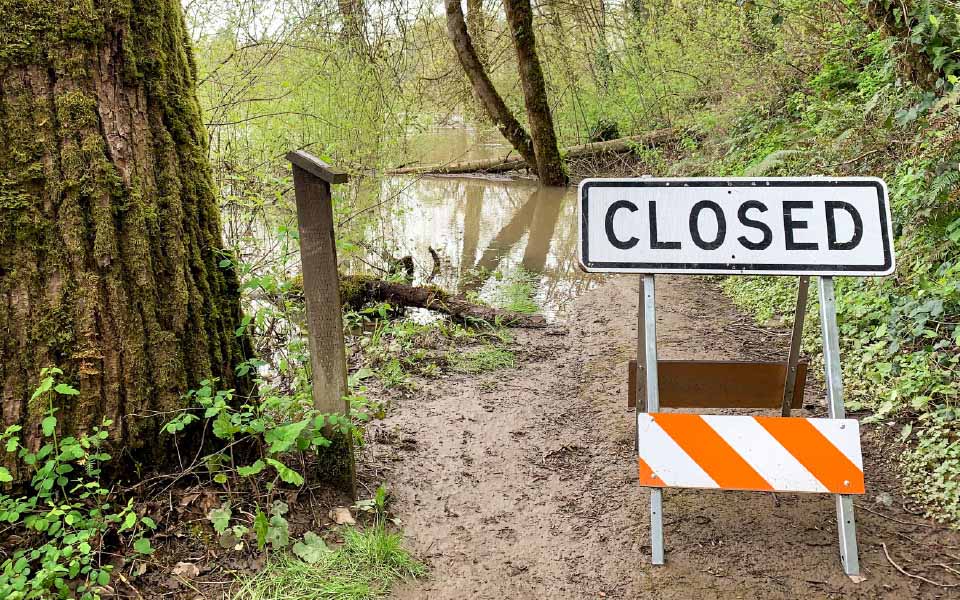
Seasonal shifts can reshape the ground beneath an adventure. Firm footing can become slick, soft surfaces can harden, and a clear path can become tougher to read. Even when the route stays the same on a map, the experience on the ground may be completely different.
Do not let familiarity create false confidence. Walk the terrain again. Look at access points, stopping areas, exposed sections, and places where participants may need more time or support. Ask whether the route still fits the activity, the group, and the pace you planned. If the terrain changed, your approach must change with it.
Weather Conditions Shift Fast
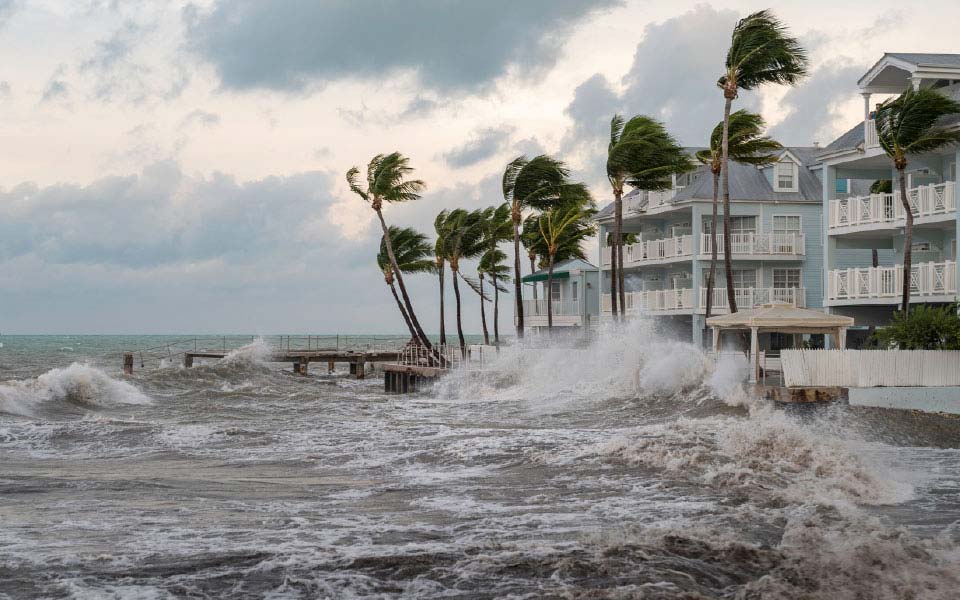
Cold-weather conditions can change the feel and difficulty of an outing fast. A manageable start does not guarantee an easy finish. Temperature changes, wind, and limited visibility can test a plan that looked solid at departure. The margin for hesitation can shrink just when the group needs clear direction most.
Treat the forecast as the start of the conversation, not the final word. Decide which conditions trigger a route change, a delay, or a stop. Build those calls into the day before pressure takes over. When the weather turns, your guides should not have to invent the next move while managing a group in motion.
Guides and Participants May not be Ready
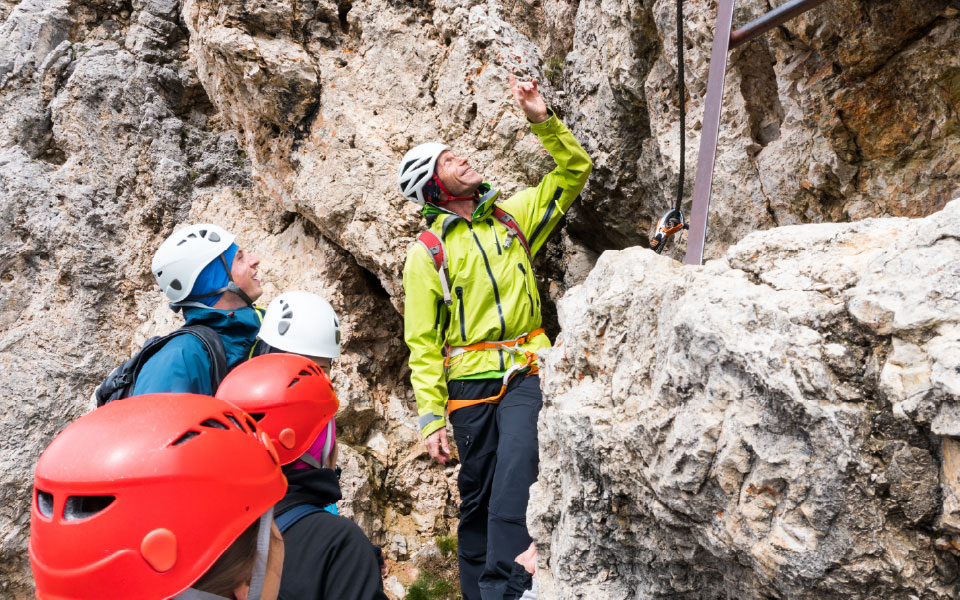
The biggest gap may not be outside. It may be in the assumptions guides and participants bring with them. Guides who know the warm-weather operation inside and out may still need to adjust their timing, communication, and decisions. Participants may arrive ready for the thrill but unprepared for what the cold asks of them.
Make expectations impossible to miss. What should participants wear, bring, and know before arrival? What will guides check before the activity begins? How will the team spot someone who is struggling, and what happens next? Clear answers help everyone start on the same page and make faster decisions when the day gets demanding.
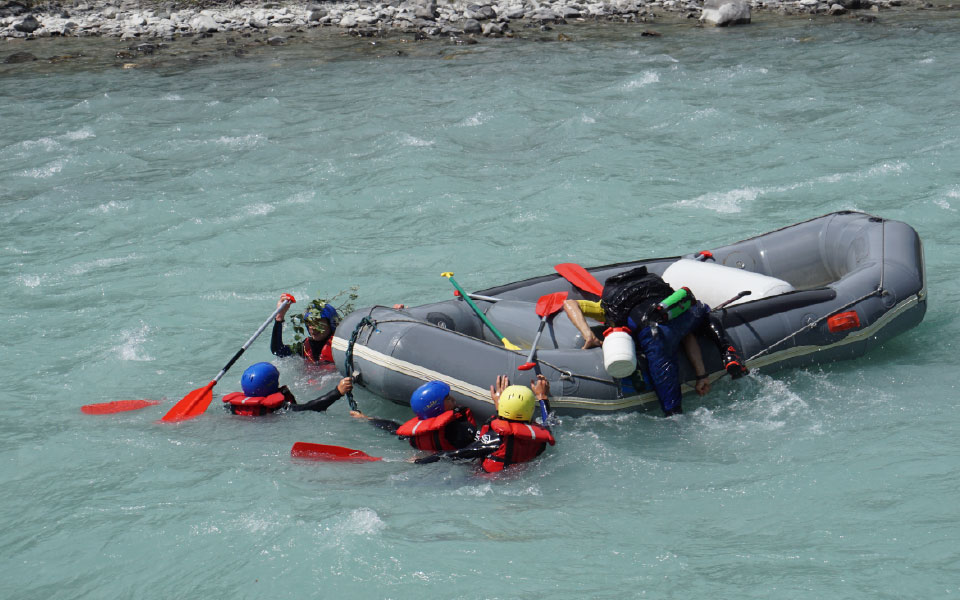
Preparation should also feel real, not routine. Talk through cold-weather scenarios before launch. Give guides room to raise concerns. Reinforce that changing the plan is a sign of control, not a failure to deliver the adventure. A team that feels pressure to push forward may overlook the moment when conditions call for a different move.
Reassess Before You Continue
A seasonal switch is not a continuation of the same approach with heavier jackets. It is a reset. Before the season begins, outfitters and guides need to question what worked before, identify what no longer fits, and make deliberate calls based on the conditions they face now.
Reassessment should lead to clear choices, not a quick signoff. Adjust the plan, set new limits, and make sure guides know when to change course. Continuing because the route, schedule, or process worked last season leaves too much to chance.
Get Ahead of the Cold With CBIZ
Before the next group clips in, pushes off, or steps onto the trail, connect with CBIZ to reassess what changed and prepare your team for what comes next.
Frequently Asked Questions
Yes. New activities, seasonal equipment, route changes, temporary staff, and different transportation needs may affect an outfitter’s risk profile. Review planned cold-weather offerings with your insurance broker before the season starts. Confirm that your coverage reflects what you will offer, where activities will take place, and who will lead them.
Keep dated records of route inspections, equipment checks, guide training, participant communications, weather decisions, and any changes made before or during an outing. Documentation can show how your team identified concerns and responded. Use a consistent process so critical details do not disappear when the season gets busy.
Test the plan before the first cold-weather outing and again when routes, staffing, equipment, or communication tools change. Practice how guides contact support, share their location, manage a delayed return, and respond when normal communication fails. A drill can uncover weak signals, unclear roles, or missing supplies before a real emergency does.
This blog may contain scenarios that are provided as examples only. Coverage is subject to the terms, conditions and exclusions of the policy issued. The information provided is general in nature and may be affected by changes in law or the interpretation of such laws. The reader is advised to contact a professional prior to taking any action based upon this information.