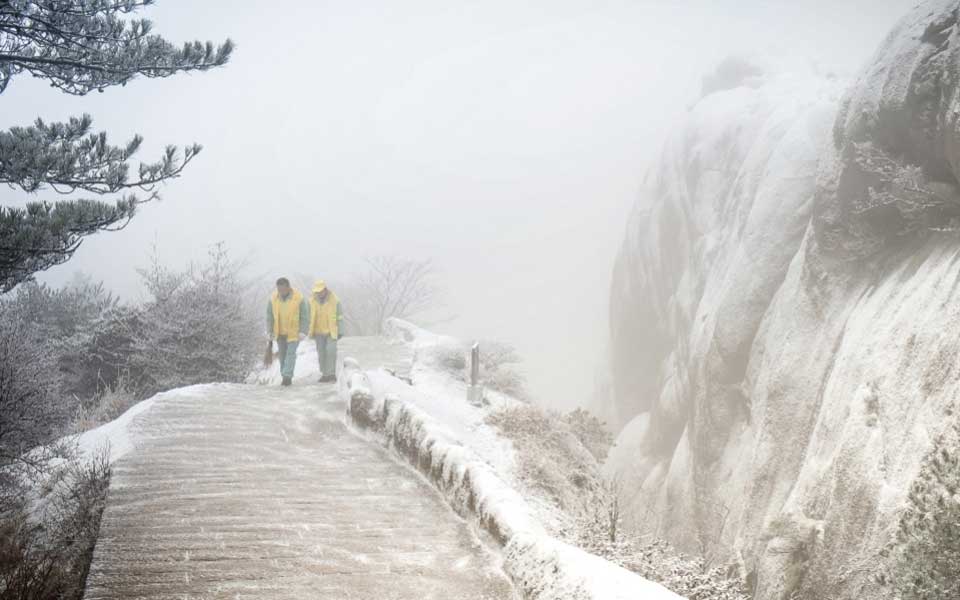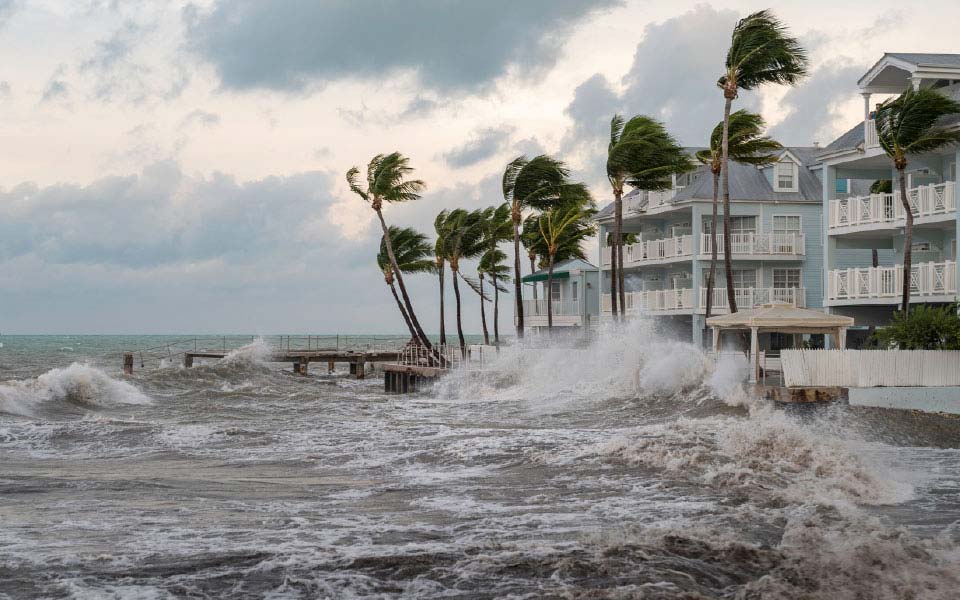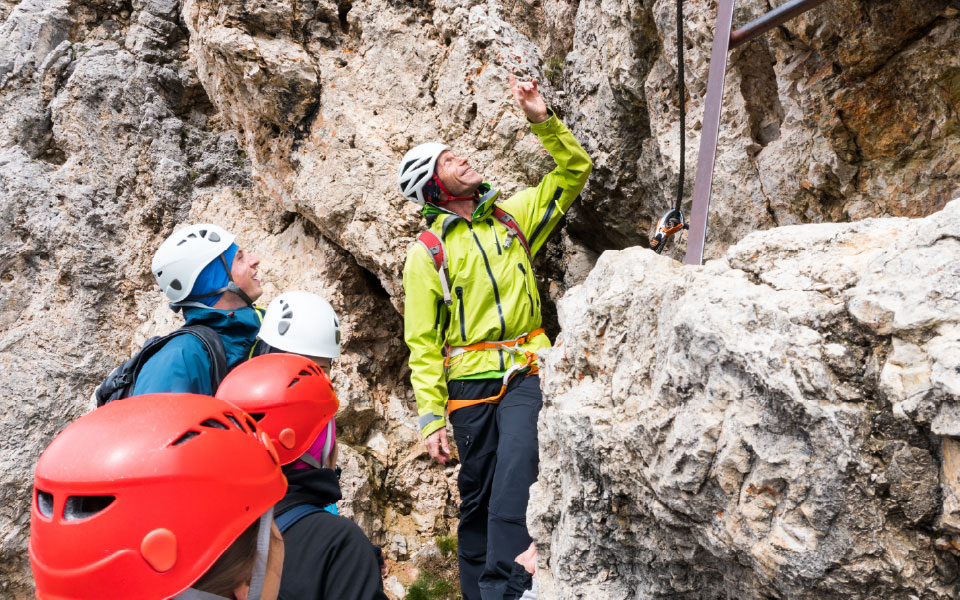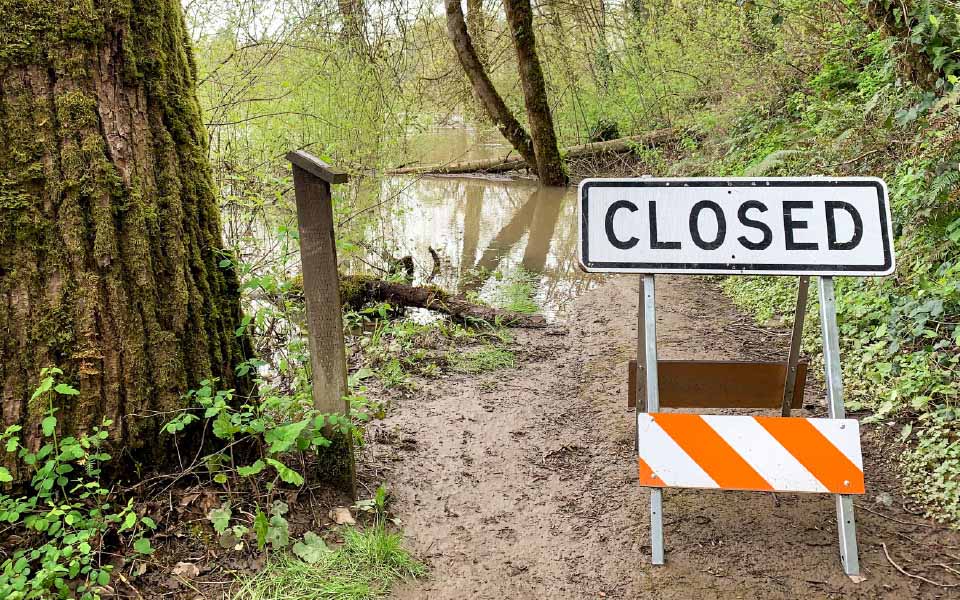

Peak season brings full calendars and higher expectations, but it also brings unpredictable weather. For adventure sports operators, last-minute cancellations or on-the-fly trip changes can create confusion, increase liability exposure, and raise coverage questions if expectations are not clearly defined in advance.
Taking time now to tighten your policies, communications, and insurance understanding can reduce friction when conditions shift.
Start With Clear Cancellation Policies
Weather-related cancellations are one of the most common pressure points between operators and guests. Without a clear policy, even a well-justified safety decision can lead to disputes.
Make sure your policy addresses:
- Refunds vs. credits vs. rescheduling
- Partial trip scenarios, such as early returns or modified routes
- No-shows tied to weather concerns
Consistency matters. If your team handles these situations differently from one guest to another, it can create reputational risk and undermine trust. Clear, documented policies also make it easier to explain decisions during high-pressure situations.
Set Participant Expectations Before They Arrive
Weather-related decisions often happen in real time. Guests need to understand this before they step on-site.
Your pre-trip communication should reinforce:
- Trips may be delayed, shortened, or canceled for safety reasons
- Guides will make final calls based on conditions
- Routes or activities may change without notice
- Emergency procedures, including evacuation protocols, may be necessary
Adventure environments are inherently unpredictable. Setting expectations early helps align participants with the reality that safety decisions can override planned itineraries. Strong, consistent communication is a core part of risk management and helps reduce confusion during changing conditions.
Reinforce Weather Risk in Waivers and Communications
Waivers remain a foundational protection tool, but they are only effective if they reflect real-world risks and are supported by clear communication. Review your materials to ensure weather risks are explicitly referenced, language reflects the types of conditions your operation faces, and guests acknowledge your authority to make safety decisions.
Waivers help establish participant awareness and can support your defense in the event of a claim, but they should be reviewed regularly and aligned with your actual operations.
Document Decisions in Real Time
When conditions change quickly, documentation often gets overlooked. That can become a problem later if questions arise.
Create a simple, repeatable process to capture:
- Weather conditions at the time of the decision
- Operational changes or cancellations
- Guest communications and instructions
- Any safety-related modifications
This record can support your position if a claim or coverage question emerges. It also helps you evaluate how your team responded and identify opportunities to strengthen future protocols.
Understand What Your Insurance Will and Will Not Cover
Weather disruptions can impact your equipment, property, and revenue. Operators should take time to review:
- Liability coverage tied to participant injuries or incidents
- Property and equipment protection for weather-related damage
- Business interruption coverage for lost income tied to shutdowns or restricted access
Without this clarity, operators may be left guessing at the worst possible time. Coverage details, triggers, and exclusions should be understood before a disruption occurs.
Prepare Now to Reduce Pressure Later
Weather uncertainty is part of the business. The goal is to manage disruptions with clear policies, strong communication, and the right protections in place. CBIZ Adventure Sports works with outfitters and guides every day to address the unique risks that come with operating in dynamic, weather-driven environments.
Connect with our team today to review your current policies, identify potential coverage gaps, and strengthen your approach before the next weather disruption tests your operation.
Frequently Asked Questions
A strong policy should clearly outline how your operation handles refunds, credits, rescheduling, and partial trips, along with how no-shows tied to weather concerns will be treated.
Operators should use booking confirmations, waivers, and pre-trip communications to explain that trips may be delayed, modified, or canceled for safety reasons. Reinforcing that guides have final decision-making authority helps align expectations before participants arrive.
Coverage varies by policy. While some programs may address property damage, liability, or business interruption tied to weather events, not all disruptions are covered. Reviewing your policy details and triggers in advance is critical to avoid surprises.
This blog may contain scenarios that are provided as examples only. Coverage is subject to the terms, conditions and exclusions of the policy issued. The information provided is general in nature and may be affected by changes in law or the interpretation of such laws. The reader is advised to contact a professional prior to taking any action based upon this information.